
Deep dive into the Internet
This week's topics include black hole detection via NASA's telescope, human brain scanning, forgotten Nile river path for building pyramids, inside a nuclear plant and Emoji history from Japan.

Lots of thought provoking articles this week. NASA's Nancy Grace Roman Space Telescope may detect primordial black holes from the early universe, offering insights into dark matter. Researchers mapped a cubic millimeter of the human brain, revealing 57,000 cells and 150 million synapses. Satellite data uncovered an ancient Nile branch near Giza, aiding pyramid construction. Austria's Zwentendorf Nuclear Plant was completed but never activated due to a public vote against nuclear power. Emoji-like symbols existed on Japanese devices in the 1980s, predating the late 1990s origin. Lets jump in!
Hunt for Primordial Black Holes
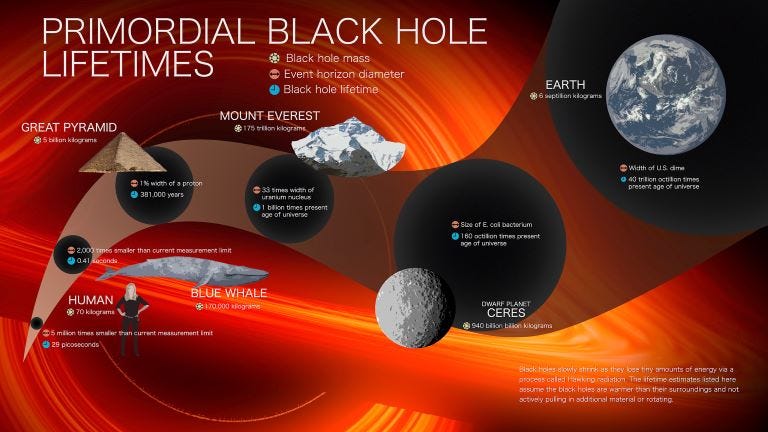
NASA's upcoming Nancy Grace Roman Space Telescope could help detect a population of primordial black holes that have so far evaded detection. Primordial black holes, some as small as the mass of the Earth, may have formed in the early universe during a period of rapid expansion known as inflation. While most tiny primordial black holes would have evaporated, some Earth-mass ones could have survived to the present day. Observations have already hinted at the possible existence of these elusive objects, which could provide insights into the early universe and dark matter.
Human brain mapped in spectacular detail
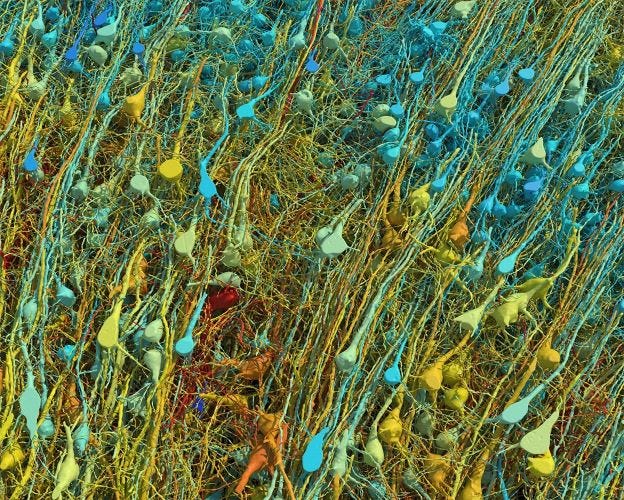
Researchers have mapped a tiny piece of the human brain, just one cubic millimetre, in astonishing detail. The 3D map contains around 57,000 cells and 150 million synapses, and incorporates 1.4 petabytes of data. The map reveals new patterns of connections between neurons, including some that make up to 50 connections and others that form knots around themselves. Researchers also found pairs of neurons that are near-perfect mirror images of each other, though the significance of this is unclear.
https://www.nature.com/articles/d41586-024-01387-9
Long lost branch of the Nile found
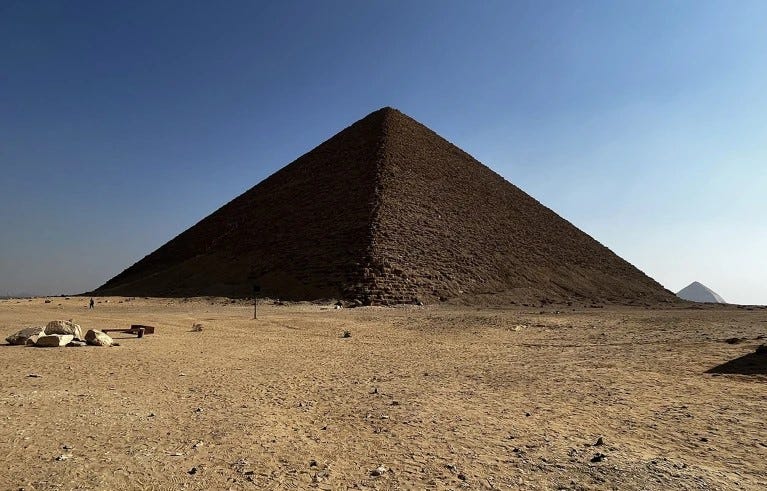
Satellite images and geological data have revealed the remains of an ancient branch of the Nile River, called the Ahramat Branch, that ran near the Giza pyramid complex in Egypt several thousand years ago. It connected many of the major pyramid sites in the region, with the valley temples and causeways oriented towards the waterway. Over time, the Nile shifted and the Ahramat Branch dried up, but its location provides a blueprint for archaeologists to uncover more ancient Egyptian settlements in the area. The finding that the Egyptians likely used boats rather than land transportation to build the pyramids suggests they were more pragmatic than previously thought.
https://www.nature.com/articles/d41586-024-01449-y
Zwentendorf Nuclear Power Plant
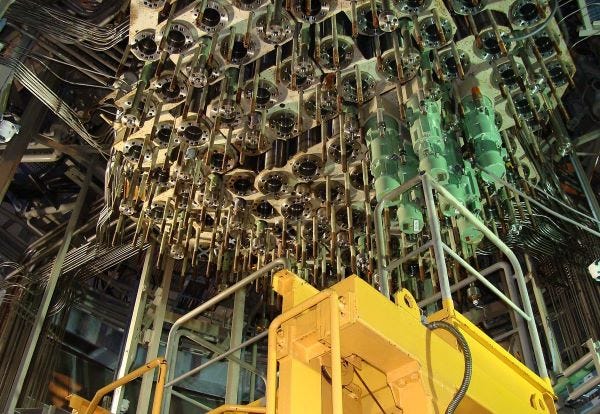
The Zwentendorf Nuclear Power Plant in Austria was completed in the 1970s at a cost of around 1 billion euros. It was outfitted with a modern boiling water reactor, but before it could be turned on, the Austrian public voted in a referendum to ban all nuclear power plants in the country. The facility has been used for film shoots and security training, but mostly stands as a symbol of the country's rejection of nuclear power.
https://www.atlasobscura.com/places/zwentendorf-nuclear-power-plant
Emoji history: the missing years
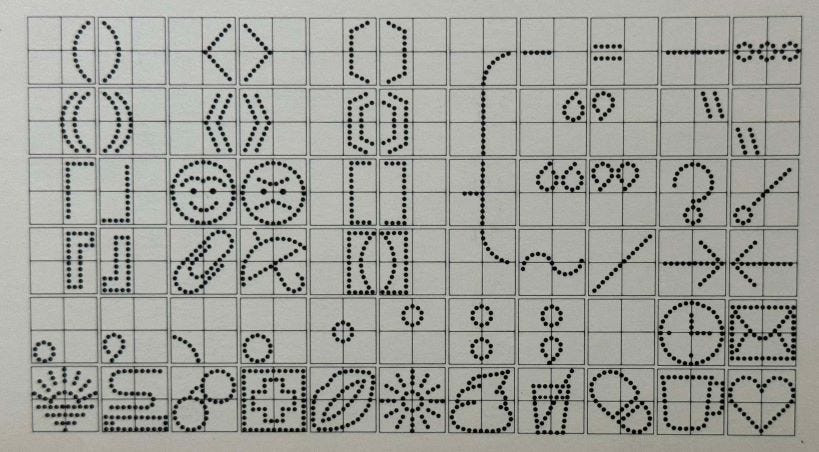
The author discovered that emoji-like symbols existed on various Japanese electronic devices from the 1980s and 1990s, predating the commonly cited origins of emoji in the late 1990s. The definition of what constitutes an "emoji" should be expanded beyond just mobile phone usage. While the author does not plan to update Wikipedia, they encourage others to further research and potentially rewrite the accepted timeline of emoji history based on these earlier examples.
https://blog.gingerbeardman.com/2024/05/10/emoji-history-the-missing-years/
Website of the week:
This is an independent DIY search engine that focuses on non-commercial content, and attempts to show you sites you perhaps weren't aware of in favor of the sort of sites you probably already knew existed.
Thanks for reading. See you guys next week.